Improving Lives: Explore the Best Senior Care Programs for Those with Dementia
The challenges of dementia affect not only those who have been diagnosed but also their families. Locating appropriate senior care programs is essential for enhancing quality of life. Various options exist, from in-home services to specialized facilities. Each program delivers unique benefits adapted to individual needs. Understanding these variations is essential. Yet, the question remains: what factors should families evaluate when researching the best options for their loved ones?
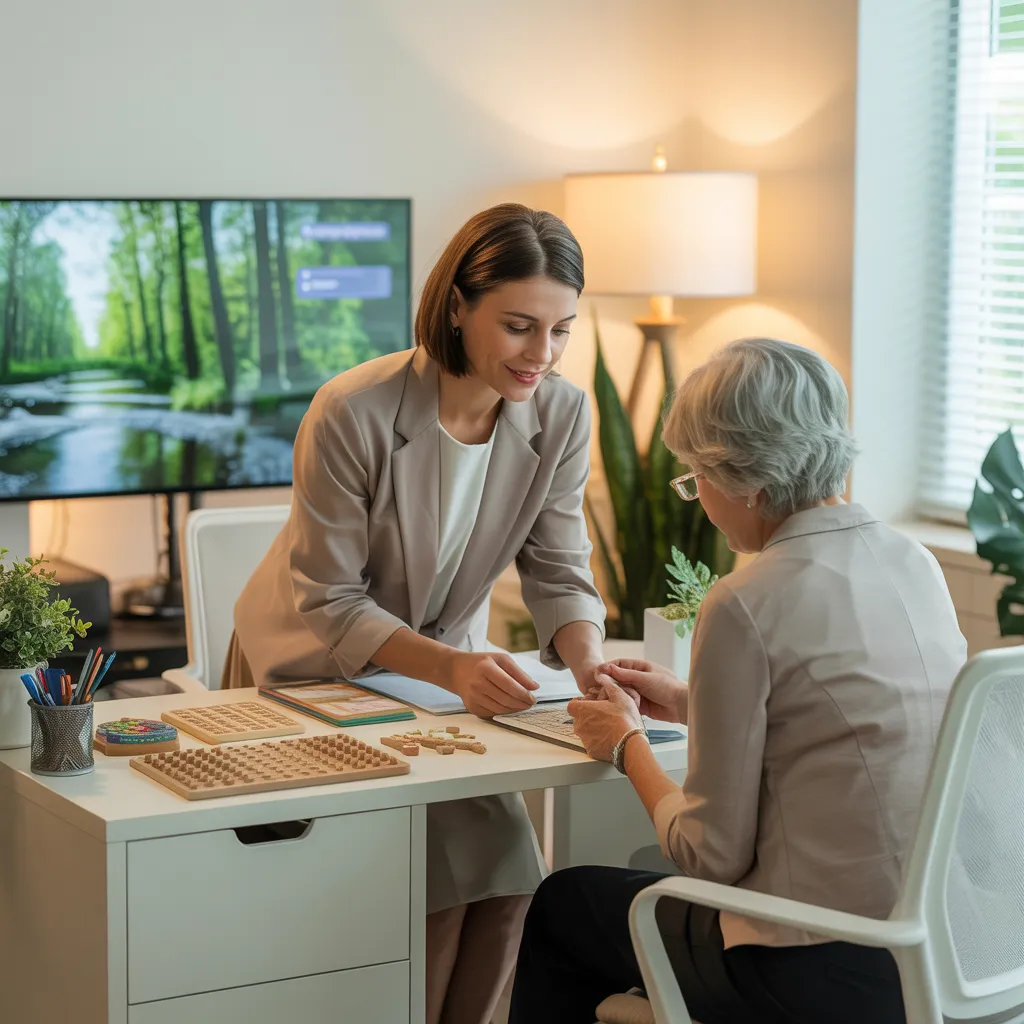
Comprehending Dementia and Its Influence on Day-to-Day Life
Even though dementia is typically perceived as a singular condition, it comprises a spectrum of cognitive impairments that substantially influence daily life. These impairments can appear in numerous ways, including memory loss, challenges with problem-solving, and difficulties in communication. As dementia progresses, patients may struggle with recognizing familiar faces or places, resulting in confusion and anxiety. Daily tasks, such as cooking or managing finances, become increasingly challenging, necessitating the need for assistance.
The mental toll on both the affected person and family members can be substantial. Relationships may become strained as communication difficulties develop, leaving caregivers feeling burdened and unsure. Social activities that were previously pleasurable may reduce, resulting in isolation. Understanding the multifaceted aspects of dementia is essential for loved ones and caregivers, as this knowledge encourages compassion and improved care approaches. By recognizing dementia's complex challenges, one can start to pursue fitting care options and resources to boost quality of life for those experiencing the condition.
Home-Based Care Services: Individualized Care at Home
In-home care services provide an essential lifeline for those suffering from dementia, delivering personalized support while allowing them to remain in the comfort of their own homes. These services are customized to meet the unique needs of each individual, offering assistance with daily activities such as bathing, dressing, and meal preparation. Caregivers are educated to understand the complexities of dementia, offering companionship and cognitive engagement, which are essential for maintaining mental health.
In addition, in-home care services can help to manage medications and monitor shifts in health, ensuring timely interventions when necessary. Families benefit from the peace of mind that comes from knowing their loved ones are receiving quality care. The flexibility of in-home services allows families to pick the level of support desired, extending from a few hours a week to full-time care. check article In the end, these services foster independence and dignity for individuals maneuvering the challenges of dementia.
Community-Centered Initiatives: Maintaining Connection and Engagement
Community programs fulfill an important role in supporting individuals with dementia by promoting social interaction and engagement outside of the home. These programs provide opportunities for seniors to join in various activities, such as art classes, exercise groups, and music therapy sessions. Interacting with peers helps create a sense of belonging and decreases feelings of isolation, which can be particularly common among those with dementia.
Moreover, community-based initiatives typically incorporate caregivers, giving them essential resources and respite while guaranteeing that their family members are actively engaged. Local organizations commonly collaborate to create inclusive environments that accommodate the particular needs of individuals with dementia, ensuring they can participate comfortably. By emphasizing socialization and community participation, these programs elevate the quality of life for seniors, empowering them to maintain relationships and remain connected to their communities, in the end benefiting their emotional and psychological welfare.
Expert Memory Care Centers: Safety and Well-Being
When looking for suitable care for individuals with dementia, specialist memory care facilities deliver an environment developed specifically for their particular needs, prioritizing both safety and comfort. These facilities are fitted with features that lessen risks, such as secure entrances and exits, to prevent wandering. Staff members are trained in dementia care, making sure residents receive compassionate support and supervision around the clock.
Along with safety, comfort is a key aspect of memory care facilities. Spaces are often designed to evoke comfort, using gentle colors and textures, while communal areas encourage social interaction. Personalized care plans cater to individual needs, promoting a sense of self-direction and dignity.
In addition, memory care facilities frequently provide structured routines that assist in lessen anxiety and confusion, helping residents to prosper. On the whole, these specialized facilities create a caring atmosphere where individuals with dementia can feel protected and at ease.
Progressive Strategies in Dementia Care: Elevating Quality of Life
Innovative approaches to dementia care are reshaping the way people experience this complex condition, as caregivers increasingly prioritize enhancing quality of life. Techniques such as person-centered care focus on individual preferences and histories, promoting a sense of identity and autonomy. Utilizing technology, like virtual reality and cognitive training applications, provides engaging activities that boost mental function and emotional well-being.
Additionally, music and art therapy have become effective instruments, enabling individuals to articulate their feelings and relate to memories in a reassuring fashion. Outdoor pursuits and nature therapy foster physical health and reduce anxiety, additionally supporting overall well-being.
Furthermore, including families in the care process strengthens support networks and improves communication, establishing a more integrated environment. These progressive strategies not only better daily interactions but also enrich the overall experience of those living with dementia, offering them dignity, respect, and a greater sense of satisfaction in their lives.
Popular Questions
What Costs Are Associated With Dementia Care Programs?
Expenses related to dementia care programs can range widely, commonly varying from $3,000 to $8,000 on a monthly basis, depending on care services delivered, facility type, and location. Supplementary charges may include pharmaceutical costs, transportation, and personal care services.
What's the Best Way for Families to Choose the Right Care Option?
Families can identify the right care option by evaluating their loved one's unique needs, studying available programs, weighing financial implications, visiting facilities, and collecting recommendations from health practitioners and other families for sound decisions.
Do Support Groups Exist for Caregivers?
There are many support groups accessible to caregivers. These groups provide resources, emotional support, and shared experiences, helping caregivers cope with the obstacles they experience during the care of cherished ones affected by dementia.
What Legal Papers Are Necessary for Dementia Care?
Important legal documents for dementia care include POA, healthcare proxy, living will, and guardianship documents. These documents confirm that caregivers can make decisions and provide necessary medical treatment when the individual is incapable of doing so.
How Can Technology Assist in Dementia Care?
Digital technology supports dementia care through surveillance tools, medication reminders, and communication tools. These technological advances increase safety, cultivate independence, and facilitate connections with family members and caregivers, eventually improving the quality of life for individuals experiencing dementia.